Her Story
Jennifer’s Story
She spent 25 years helping others. Now she needs us.
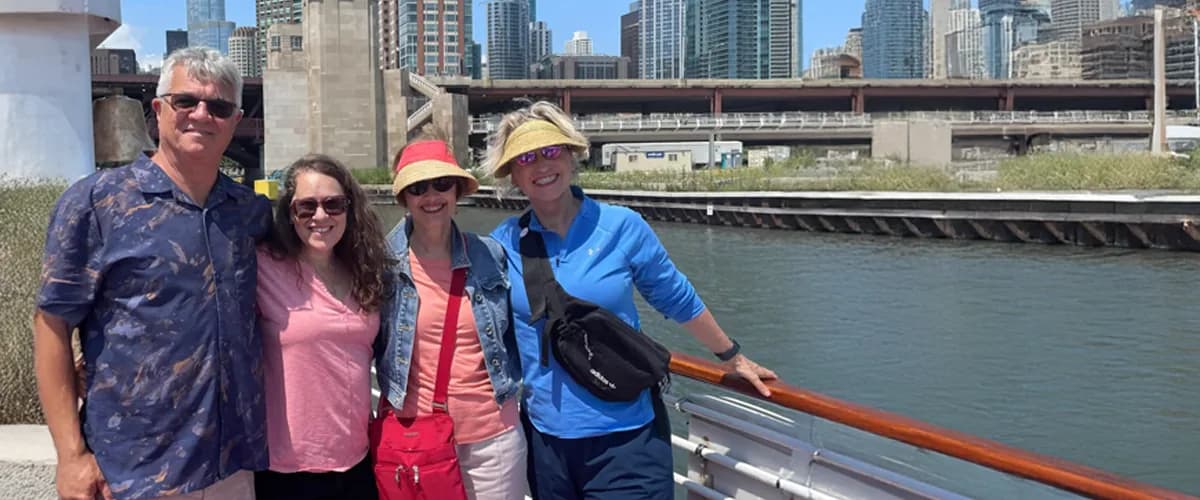
From Her Husband, Bob
Meet Jennifer
“My wife, my best friend, and the most caring person I have ever met; let me tell you a little about Jennifer.”
Jennifer has been living with polycystic kidney and liver disease for most of her adult life. Like most people who have it, she never thought it would come to this. So many people manage it with medication and live full lives. We just assumed she’d be OK. A year ago, we thought everything was going to be fine. Today, she is on the transplant list for both a liver and a kidney.
Jennifer needs a living donor. I want to tell you who she is, because she would never ask for this herself.
Jennifer was born in Jacksonville, Florida in 1967. Her father was career military — he spent his entire career in the Navy and became a JAG Officer. That meant Jennifer spent her young life moving. Taiwan. Hawaii. Virginia. And beyond. She never got to stay anywhere long enough to feel like she belonged.
As a teenager she struggled with her parents’ divorce and the kind of disconnection that comes with constantly being the new kid. She fell in with the wrong crowds, the way teenagers do when they don’t have anywhere to anchor to. She quit high school in her junior year.
For a while, everything felt like a dead end. The jobs. The people. The direction.
Then she asked her dad to help with business school costs, hoping it might lead to something better. Her father convinced her to try community college instead, felt the money would go further there. So Jennifer got her GED and walked into a classroom.
And I don’t think she’s ever really left one since.
She fell in love with learning in a way I’ve rarely seen anyone fall in love with anything. She thought she might like psychology. She didn’t just like it — it became her life’s work. She excelled at everything they put in front of her, year after year, until she had her Bachelor’s degree. Then she set her sights on her Doctorate and earned her place at Kent State University.
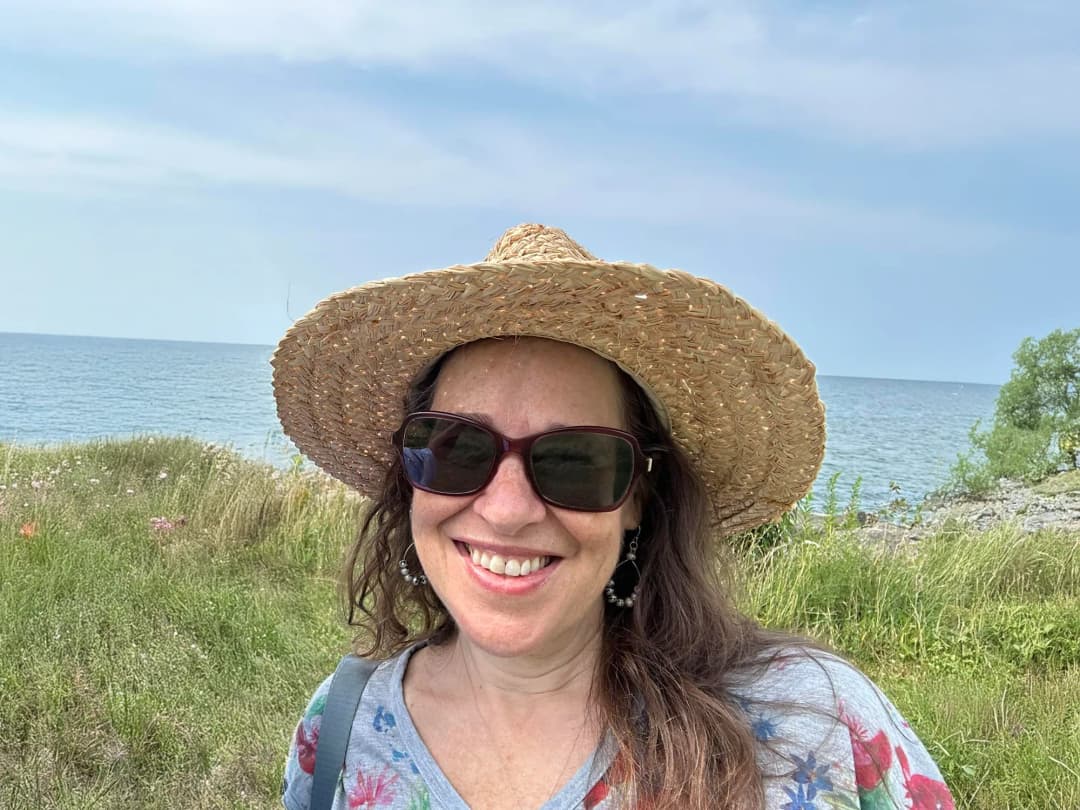
Resilience
She Never Stopped
While at Kent State, during a holiday break, alone in her apartment, Jennifer was hit with the most excruciating headache of her life. After multiple trips to the ER they discovered she had a brain aneurysm — and it had ruptured. Brain aneurysms are common in people with PKD genetics, but science didn’t know that at the time.
She was flown to the Cleveland Clinic for emergency surgery. They saved her life by clipping the aneurysm. But during the procedure they damaged the optic nerve in her right eye.
Jennifer woke up blind in that eye. She has been ever since.
Most people would understand if that had been the end of it. She was back in Virginia with family, recovering from brain surgery, with half her vision gone and a long road back to anywhere.
Jennifer went back to Kent State and finished her Doctorate in Psychology.
“That’s my wife. That’s who I’m telling you about.” — Bob
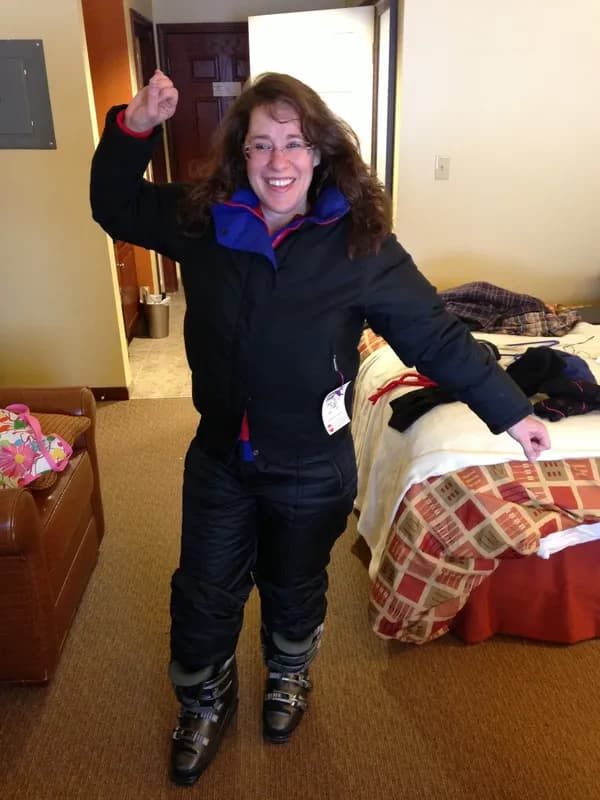
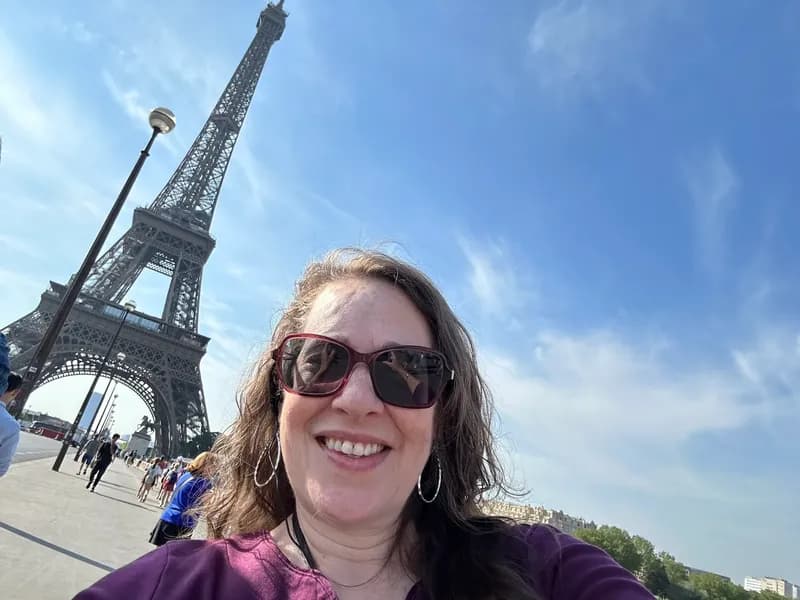
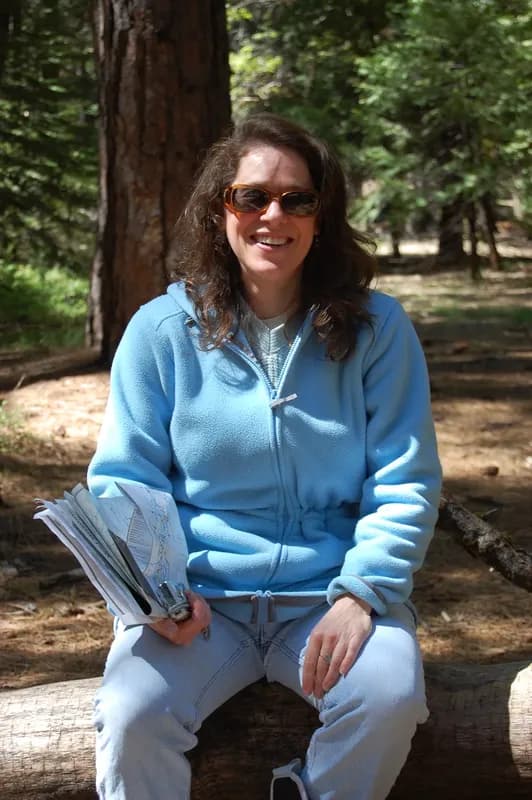
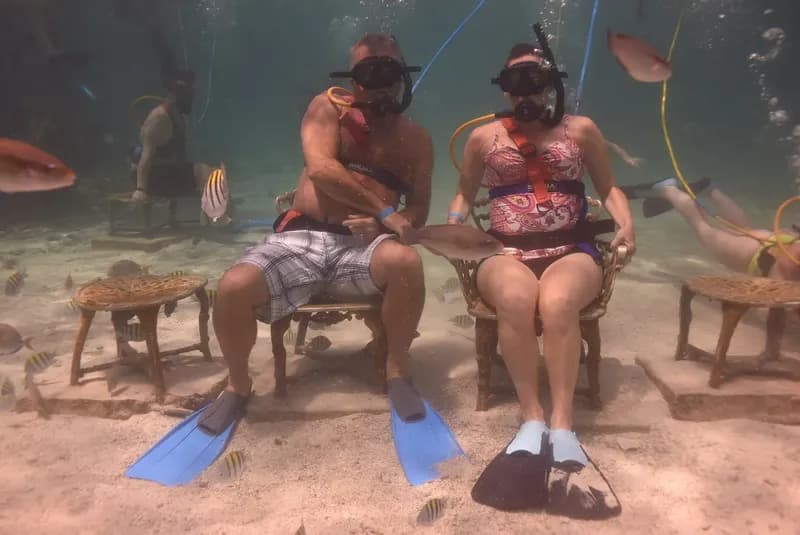
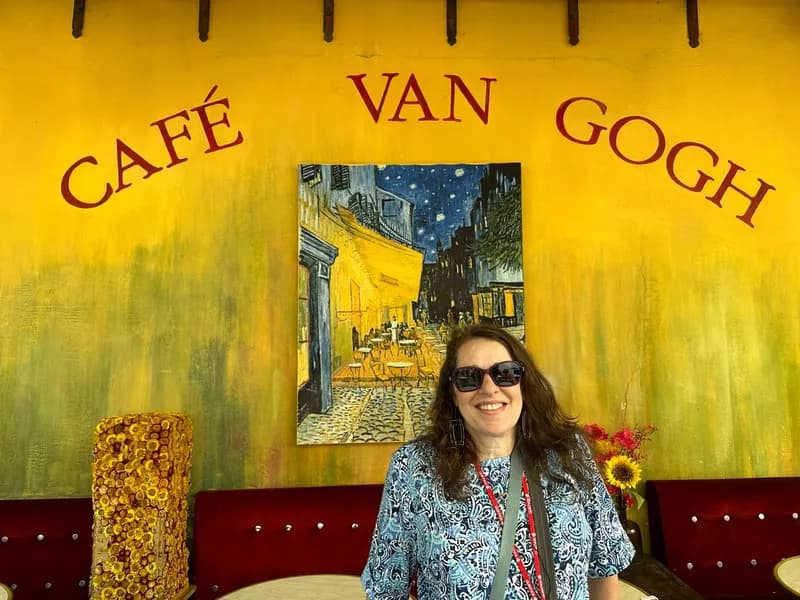
Her Career
A life of caring, loving, guiding, helping and healing others.
She took her degree to Rochester, New York, and spent three years using everything she’d learned to help people through some of the hardest moments of their lives. She’s the kind of person who listens more than she talks, who remembers the things you said three conversations ago, who makes you feel like you’re the most important person in the room.
What Jennifer realized was that her deepest love was teaching the next generation how to help others. She wanted to be in the classroom with the bright, passionate students coming up behind her.
She joined the faculty at Slippery Rock University. That was 25 years ago. For 25 years she has given to her school, to her colleagues, and to her students.
Over the course of her career, her focus has centered around improving the lives of others. She founded the Reflections Body Image Program, which is dedicated to empowering students struggling with body image and self-worth. She co-authored Multifamily Therapy Group for Young Adults with Anorexia Nervosa: Reconnecting for Recovery (Routledge, 2021) with her long-time research collaborator and close friend, Mary Tantillo, along with Daniel Le Grange. She has served as chair of the department for 15 years, working to support and strengthen Psychology at SRU.
A truer love of one’s life path, I have never seen. — Bob
“Probably the best psychology professor in the department”
“Very clear and concise lectures, to the point where you will understand even if you are half-awake”
“Very passionate and knowledgeable about abnormal psych”
In Her Own Words
Jennifer’s Message
“I have always been a private person, and throughout my life I have tried not to ask for help. This is a very personal and difficult thing to put out there. But I’m asking now.”
I have a genetic condition called polycystic kidney and liver disease. It affects both my kidneys and my liver, and I have been living with it for most of my adult life. For a long time it was manageable. We knew about it, we watched it, and we hoped for the best.
In recent years, that has changed. The disease has progressed faster than anyone expected. My kidneys have begun to fail. My liver has become so enlarged that daily life has become harder and harder — the pain, the fatigue, the constant difficulty with things that used to be simple.
My doctors have told me I need a simultaneous liver and kidney transplant. Without it, my kidneys will fail and my liver will continue to decline. I am listed at UPMC, one of the best transplant programs in the world, and I have passed all of their screening criteria. Everything is in place.
What I need now is a living donor.
My doctors have told me that living donors are the preferred path for both the liver and kidney — living donor organs last longer and are less susceptible to rejection. Potential donors are screened very carefully to ensure they face no health risks from the donation, and most recover quickly.
My husband and several friends and family members have generously offered to donate, but were found to be ineligible due to their own health conditions. Donors also do not need to be a blood match to me — there are excellent paired donation programs, which means anyone can be a potential donor.
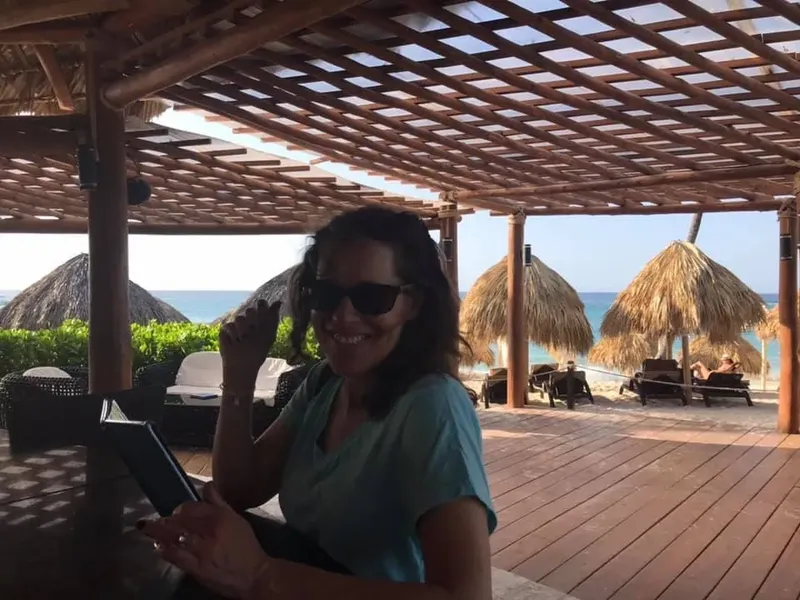
If I am given this chance to recover my health, I want to live out my life doing the things that matter most to me — being there for my family, continuing to teach and mentor my students, and enjoying the things I love, like travel and sunny beaches.
If you would consider being tested, or if you could spread the word to your family, friends, or any groups you’re a part of, it would mean more than I can say. And if none of those are possible, prayers and positive support are very much welcomed.
Thank you for taking the time to read this, and for passing it along.
— Jennifer
From Bob
The Fight for Her Life
The disease started progressing faster than anyone expected. The one medication that was helping — Tolvaptan — was damaging her liver, and she had to come off it permanently. There is no other medication available that has any impact on this disease. Once she stopped, everything accelerated. Today looks nothing like our lives a year ago. We have gone from managing a condition to being on the transplant list for both a liver and a kidney.
Without a transplant, Jennifer will eventually face dialysis — three to four visits per week, four hours each, connected to a machine. It is exhausting, it is hard on the body, and it is time-limited. Her doctors believe it is better to transplant before dialysis becomes necessary.
Jennifer wants so badly to keep teaching. She’s not done. She has years of work left in her and students who still need her. And I’m not ready for this disease to be the thing that decides when she has to stop.
We are fortunate to be near UPMC, one of the best transplant programs in the world. Jennifer is young and currently healthy, the two most important factors for a successful transplant. She has passed every one of their rigid criteria. Her doctors are ready. We are ready.
The only piece that’s missing is a donor.
I am asking you to consider registering to see if you’re a candidate to be a donor. I know that’s not a small ask. But she wouldn’t stop for any of us, and anyone who knows Jennifer knows that’s true. Living donors are true heroes — and Jennifer needs one.
If you can’t donate, I understand. But you can still share this. You can put her story in front of someone who might be that one person. That’s all it takes. One.
“Jennifer has spent her life helping people find their way forward. Now I’m asking the world to do the same for her.”
Take Action
How You Can Help
Register Online
Go to livingdonorreg.upmc.com and enter "Jennifer McGraw" as the recipient. You can choose to donate a kidney, liver, or either.
Talk to the Living Donor Team
A coordinator from UPMC will walk you through a brief health screening. You can also call the Living Donor Office directly at (412) 647-GIFT (4438).
If You Match, Save a Life
If screening goes well, the transplant team handles all medical testing, surgery, and follow-up care — at no cost to you.
A transplant doesn’t just help — it cures. The diseased organs will be removed. The new organs won’t carry the PKD gene. The cysts won’t grow back. This is Jennifer’s path to a permanent recovery.
Go to livingdonorreg.upmc.com and enter “Jennifer McGraw” as the recipient.